

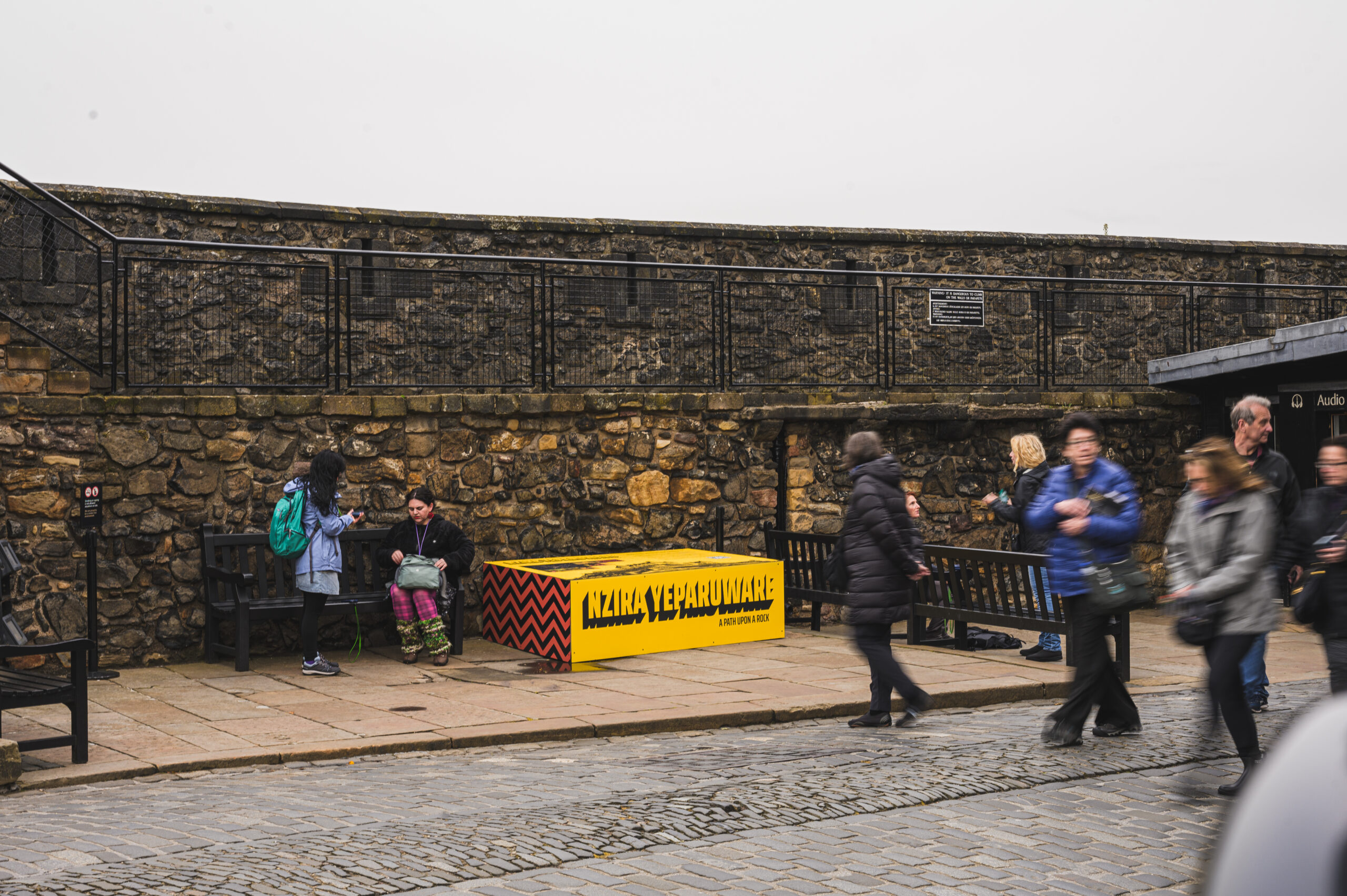
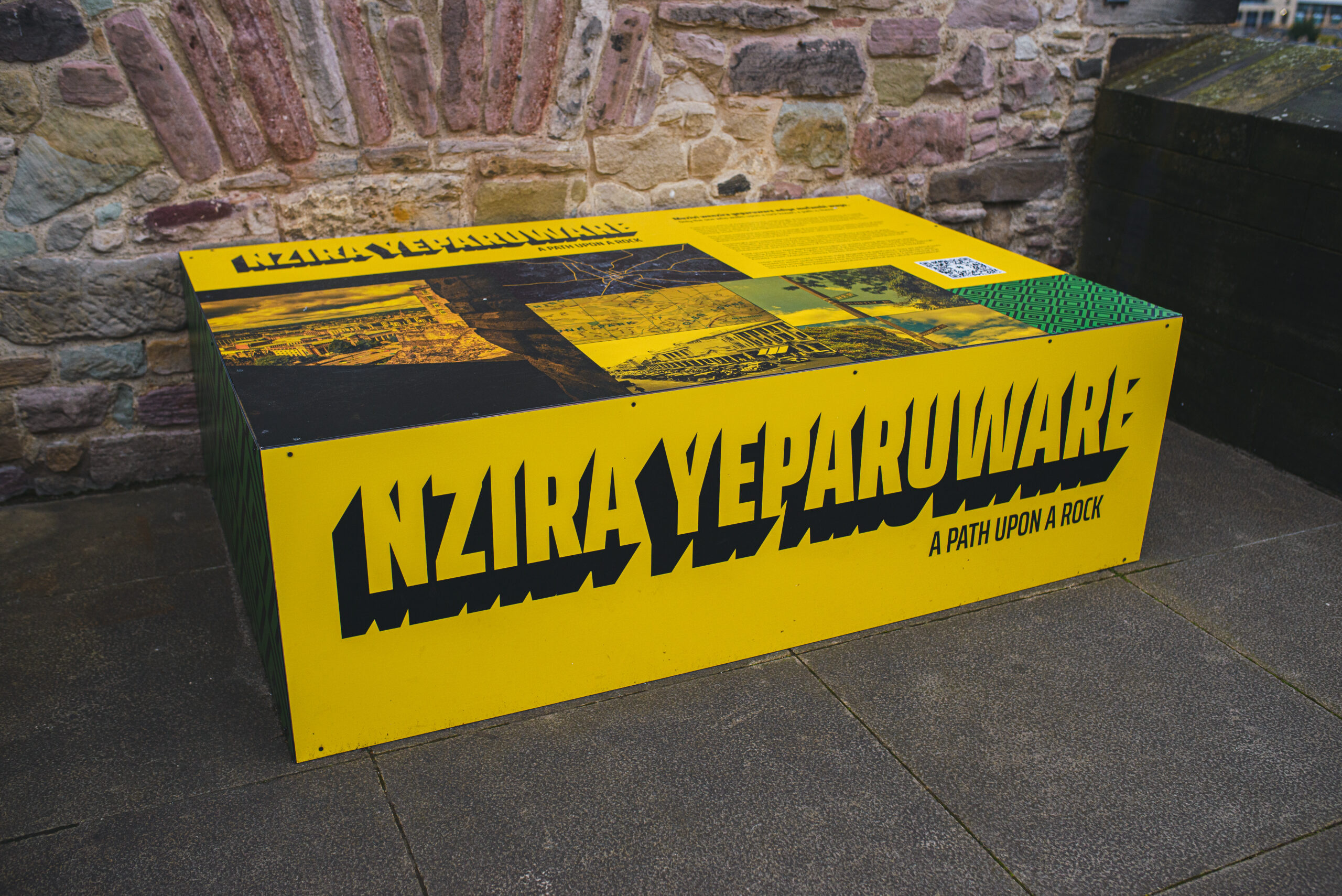
Nzira Yeparuware

Exploring Scotland’s colonial influence on Harare’s cityscape
In 2022, artist Tanatsei Gambura was invited to respond to a commission by Managing Imperial Legacies, a project run by the University of Edinburgh, Historic Environment Scotland, and the Coalition for Racial Equality and Rights (CRER). From the brief, the artist developed a sound installation reflecting on her experience as a black artist working in Scotland. Although based in Edinburgh, the inspiration for her response came from a serendipitous trip back to her hometown of Harare (Zimbabwe).
While running an errand, Gambura wound up on Orkney Road, Harare. All of a sudden, in the city she grew up in, “this strange map of Scotland started to build around me”.
Nzira Yeparuware – translated as ‘A Path Upon A Rock’ – explores Scotland’s role in Zimbabwe’s colonial era and highlights how this is translated in the names of places within the built environment of Harare.
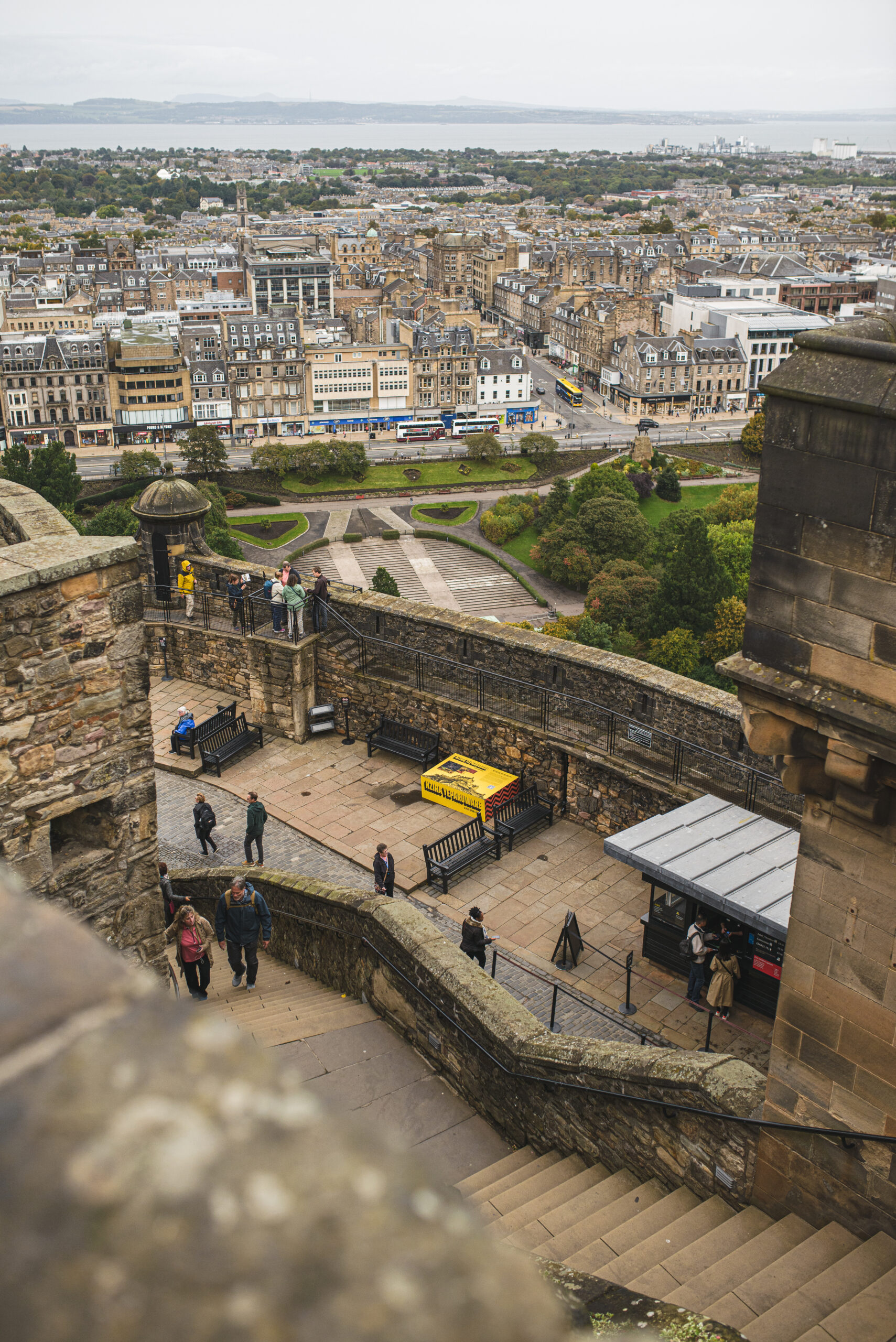
The temporary exhibition and soundscape sat atop the path around the castle from September to December 2023.
As a visitor you are led around the castle by Tanatsei’s stories, poems and narration of her hometown, as well as offering an alternative interpretation of the Governor’s House, Mons Meg, the vistas beyond the castle and much more. Interpretation panels complement the sound installation to provide moments to pause, look and reflect.
Nzira Yeparuware consists of eight tracks formed of field recordings collected in Harare and then overlaid with spoken word elements and musical improvisations by members of The Edinburgh Composers Orchestra. The soundscapes were developed to reflect the streets, spaces and places of Harare: in some cases calm and quiet and in others busy and hectic.
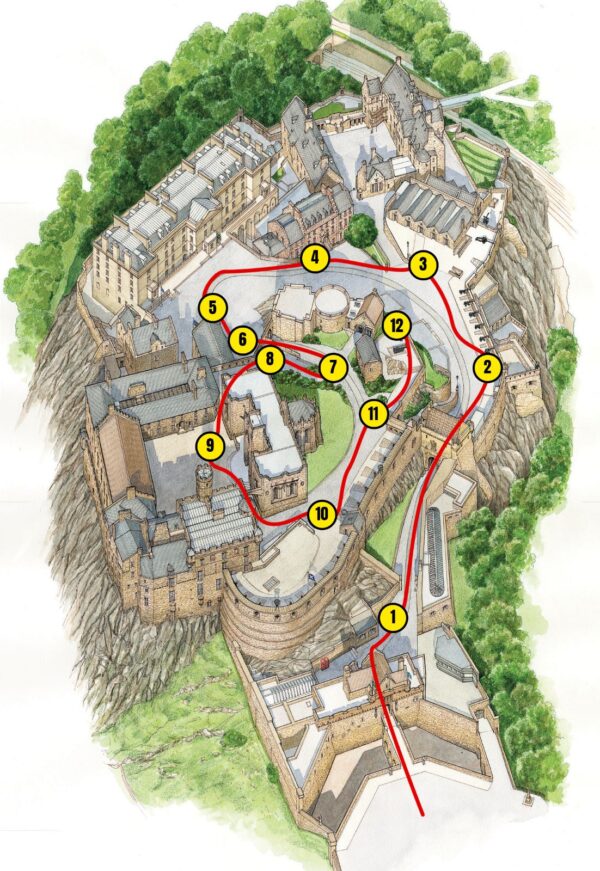
Lateral North worked with Tanatsei Gambura to present this physically through 12 installations across the castle grounds aiding the visitor in a deeper understanding of Harare and the Scotland-map which is overlaid on top of it.
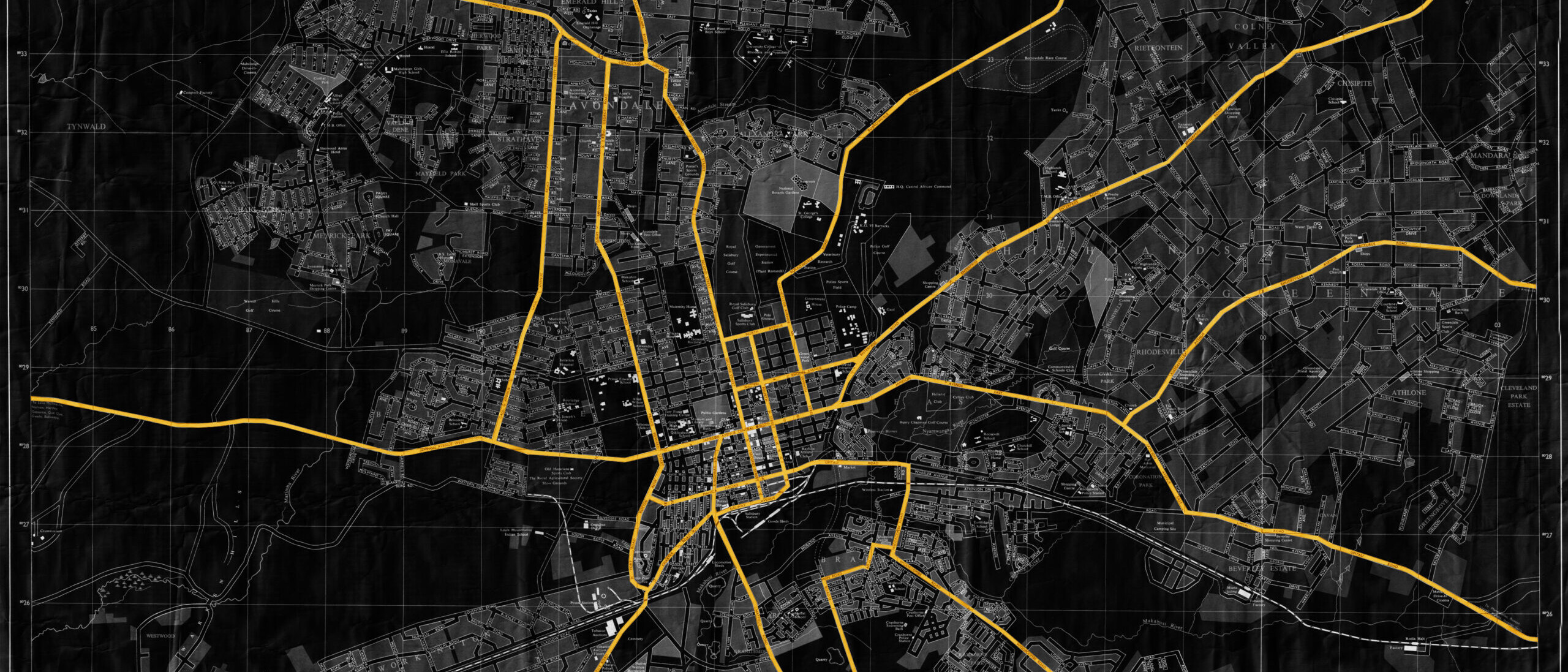
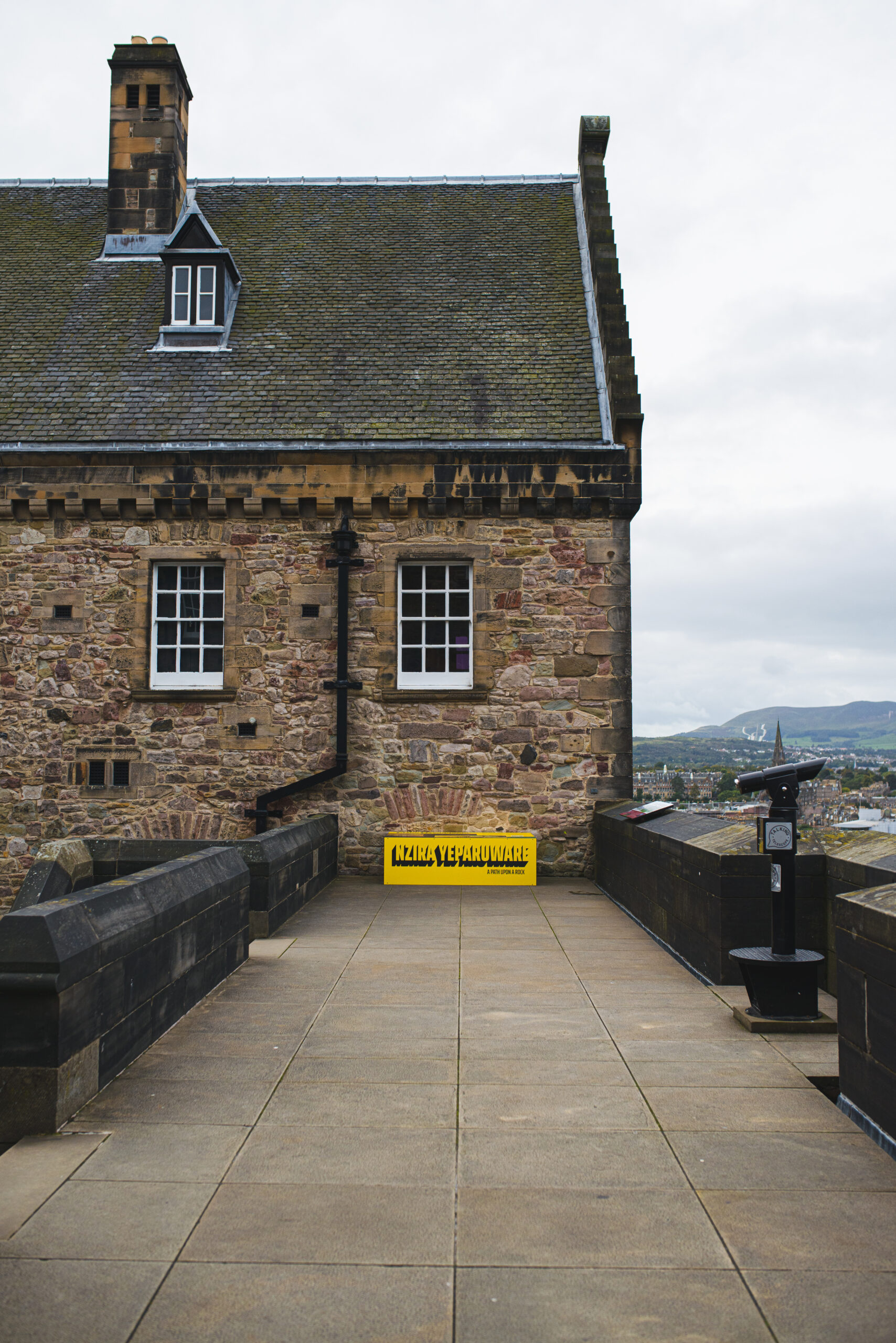
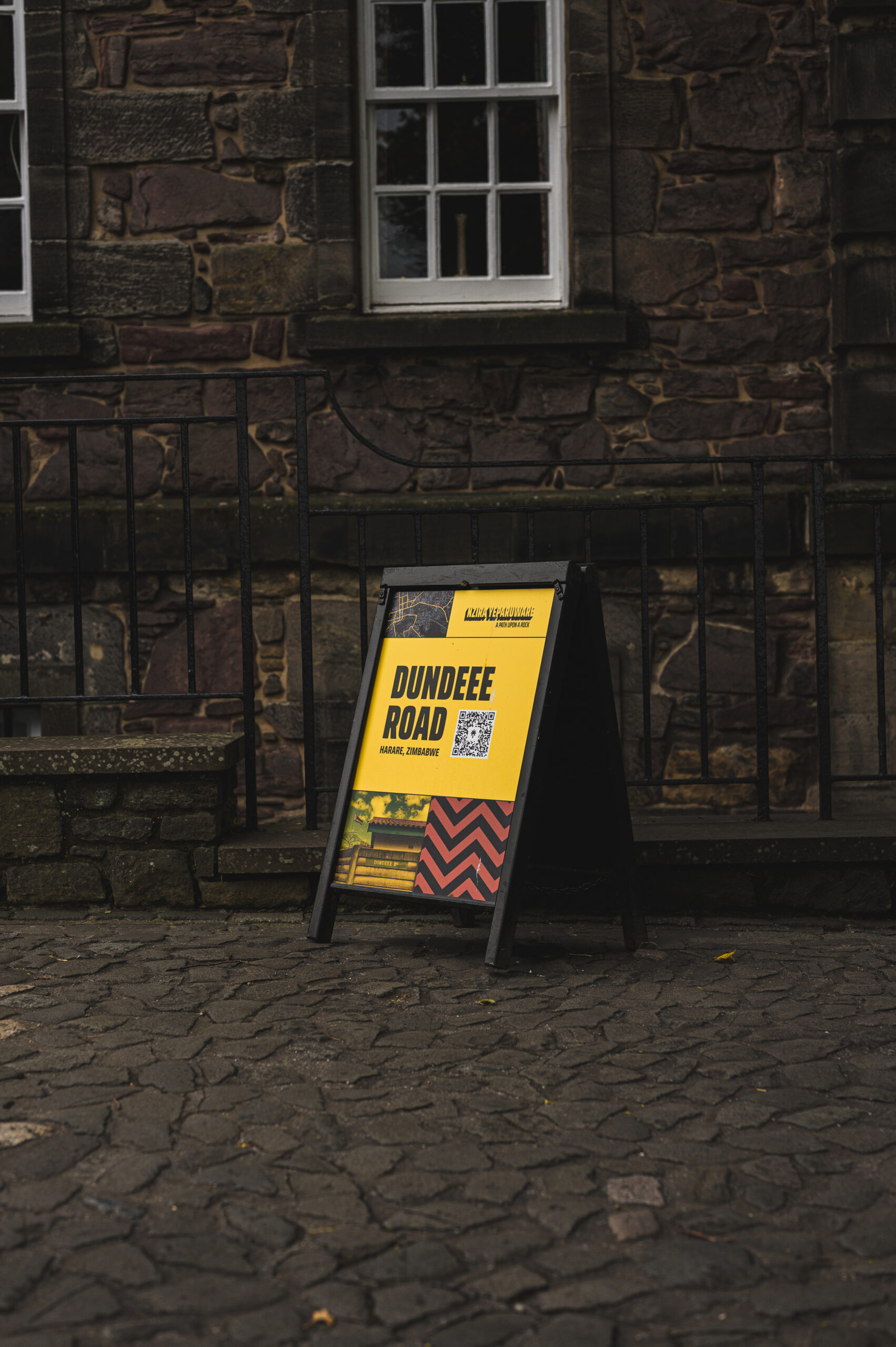
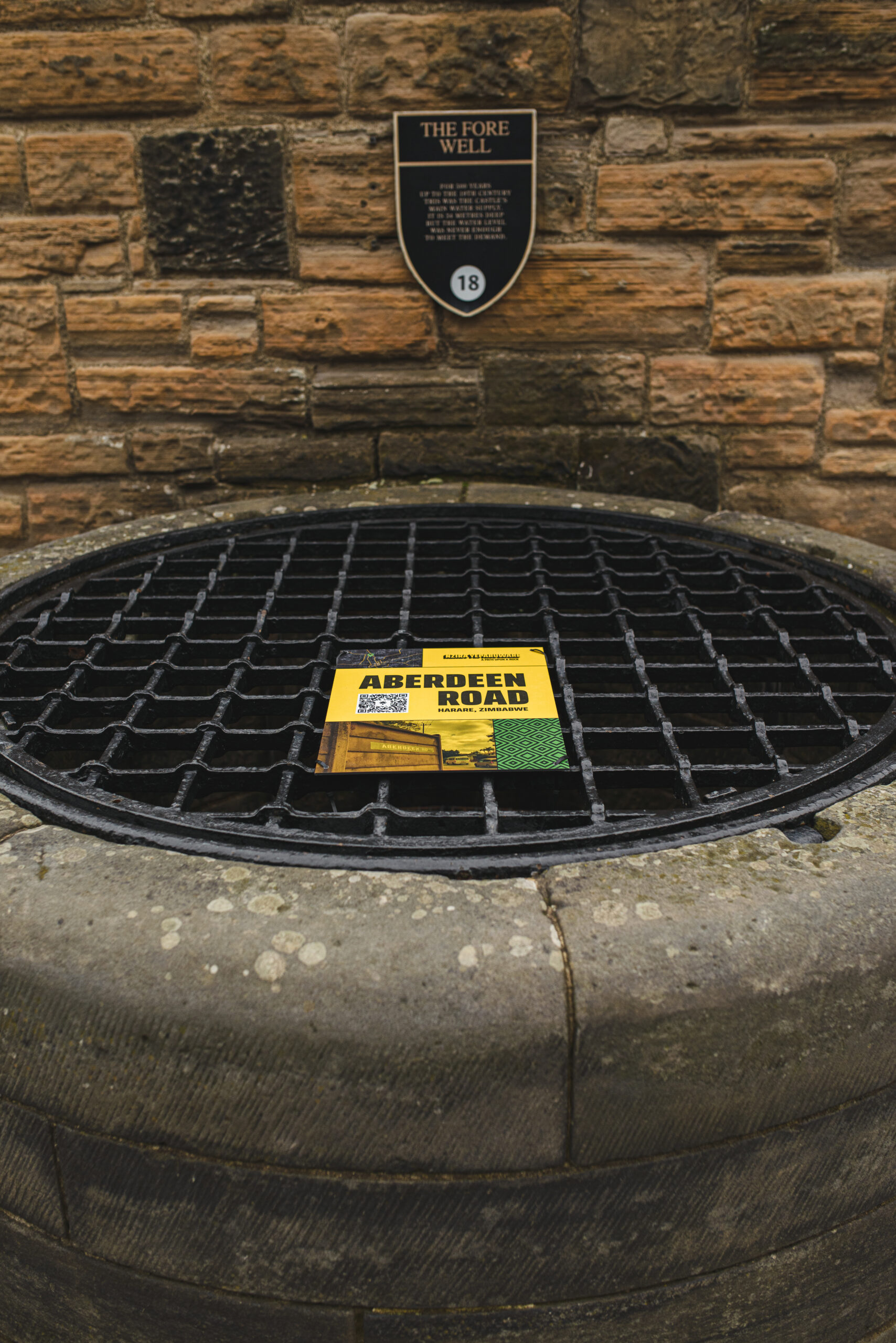
Importantly, the project asks the question “what would these places [in Harare] be called if they were not Scottish? Not English? Not Welsh?”
As the Skinny comments; “Nzira Yeparuware works towards spotlighting the gaps in Scotland’s colonial history, as it brings listeners’ attention to a deep sense of long-term amnesia about British colonialism’s erasure of indigenous cultures, identities, and landscapes. The artist asserts that this is an artwork not for Scotland, but instead for racialised and colonised people as a space for imagination and to proclaim their presence in the past, present and future of Scotland.”
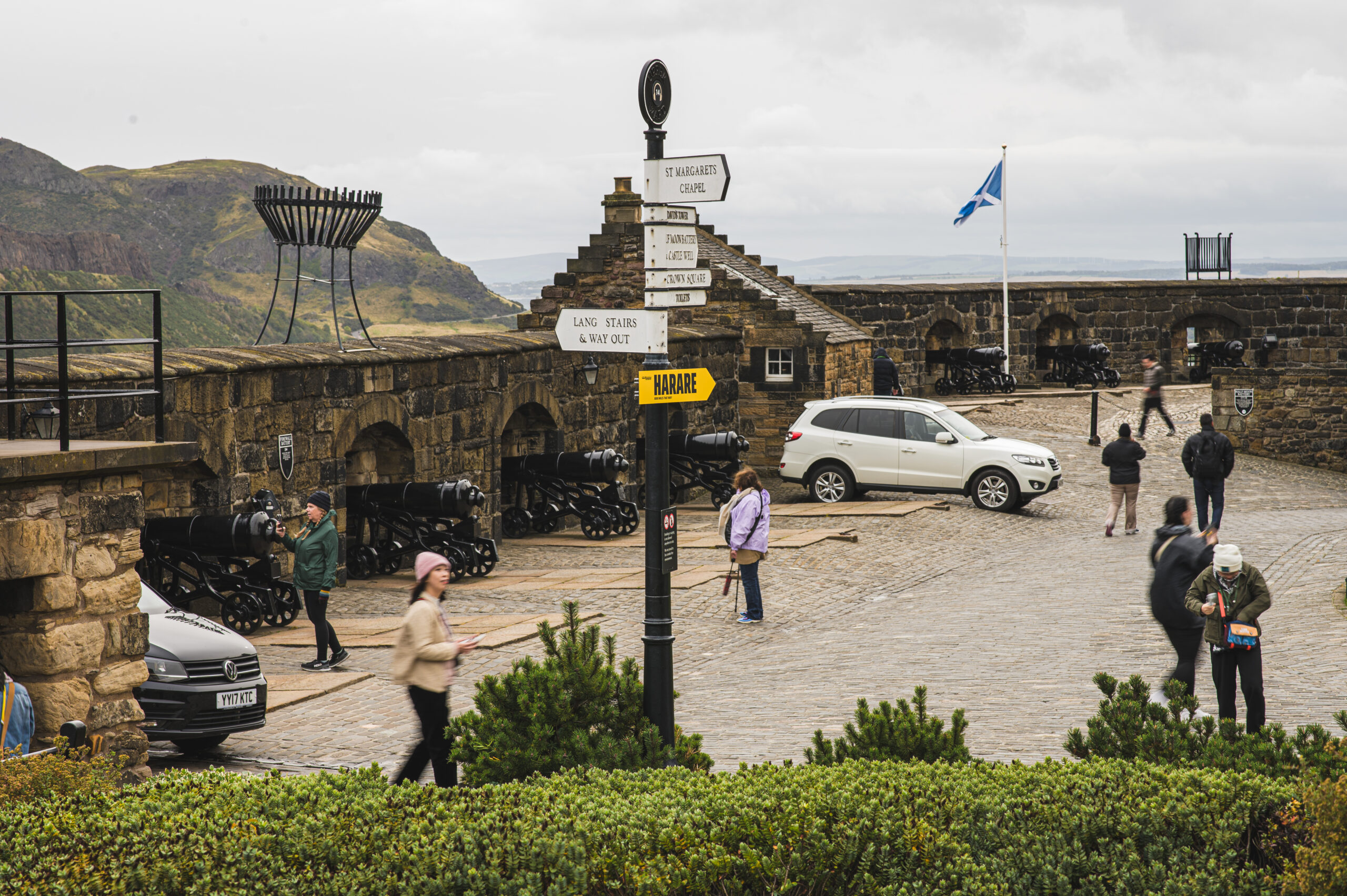
From the icy plains of Antarctica to the urban jungle of Hong Kong, the presence of Scottish place-names is evident globally, a legacy of the age of exploration and colonisation. Harare, previously known as Salisbury in its colonial past, is no exception.
Harare’s cityscape is inscribed with a deep and complex history of colonialism, primarily manifested in its town planning, street naming, and neighbourhood creation.
Tanatsei Gambura, artist


