

An Atlas Of Opportunity

Exploring the Future of Scotland
Building on the foundations of An Atlas of Productivity, Lateral North published Scotland: An Atlas of Opportunity in 2018. This atlas aimed to place Scotland not at the margins of maps but at the centre of global networks.
Our compiled data across multiple fields – from land ownership, resources and demographics to energy potential, cultural assets and international trade routes. This extensive gathering process revealed both Scotland’s extraordinary natural wealth and the challenges of inequality, underused land and environmental vulnerability. By weaving together statistics, maps and stories, the atlas sought to provide a holistic vision of Scotland’s opportunities in the 21st century.
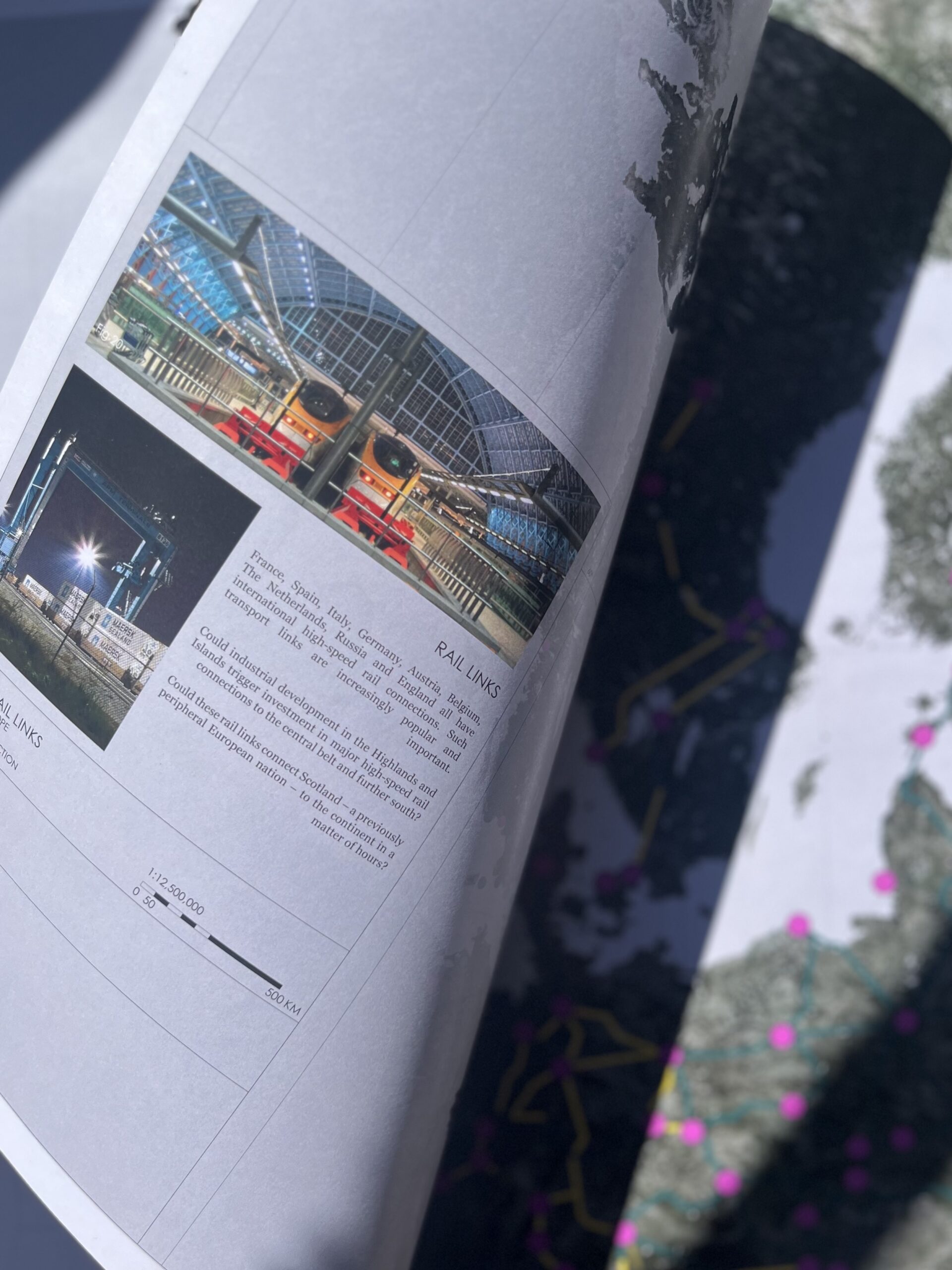
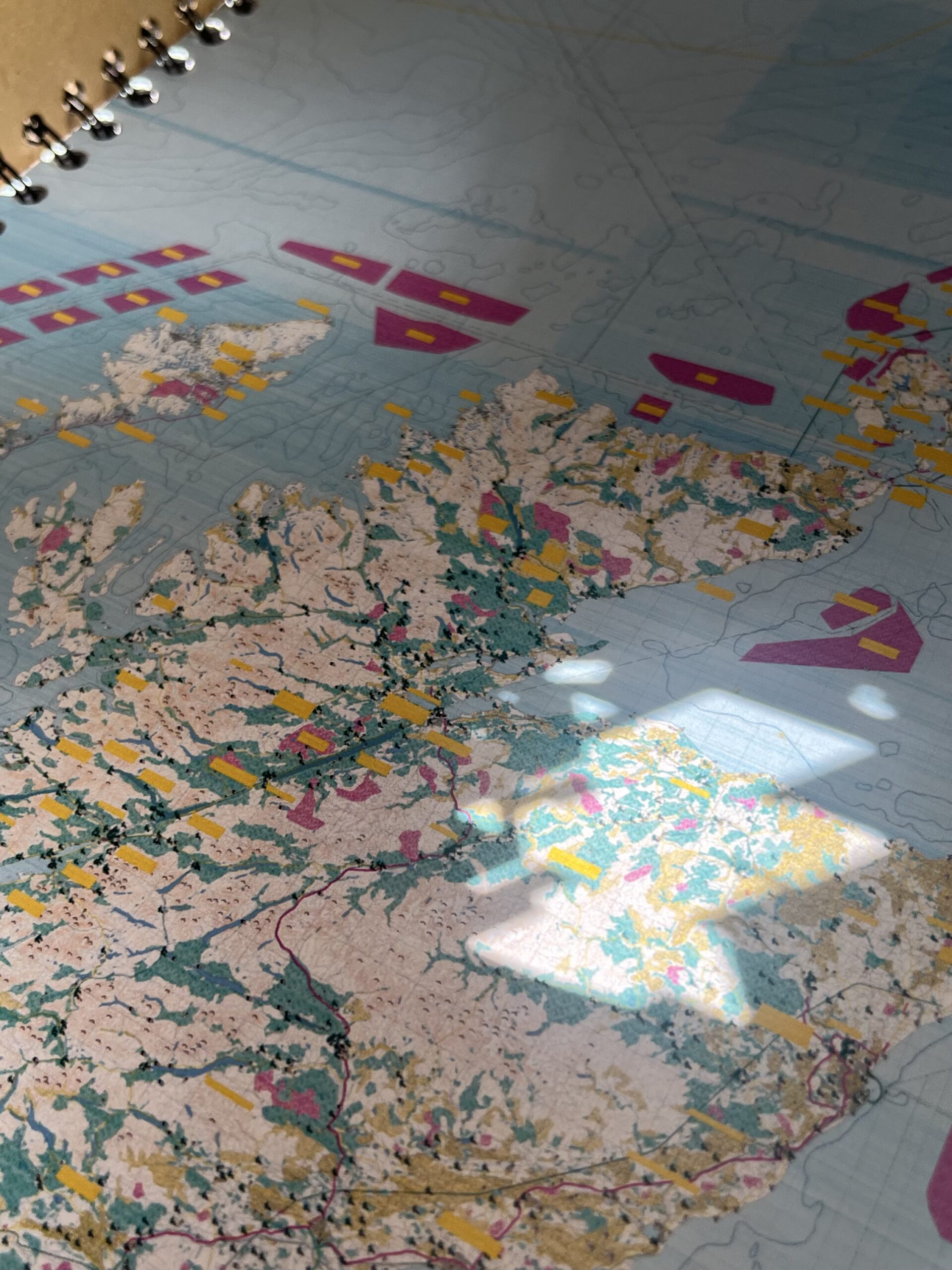
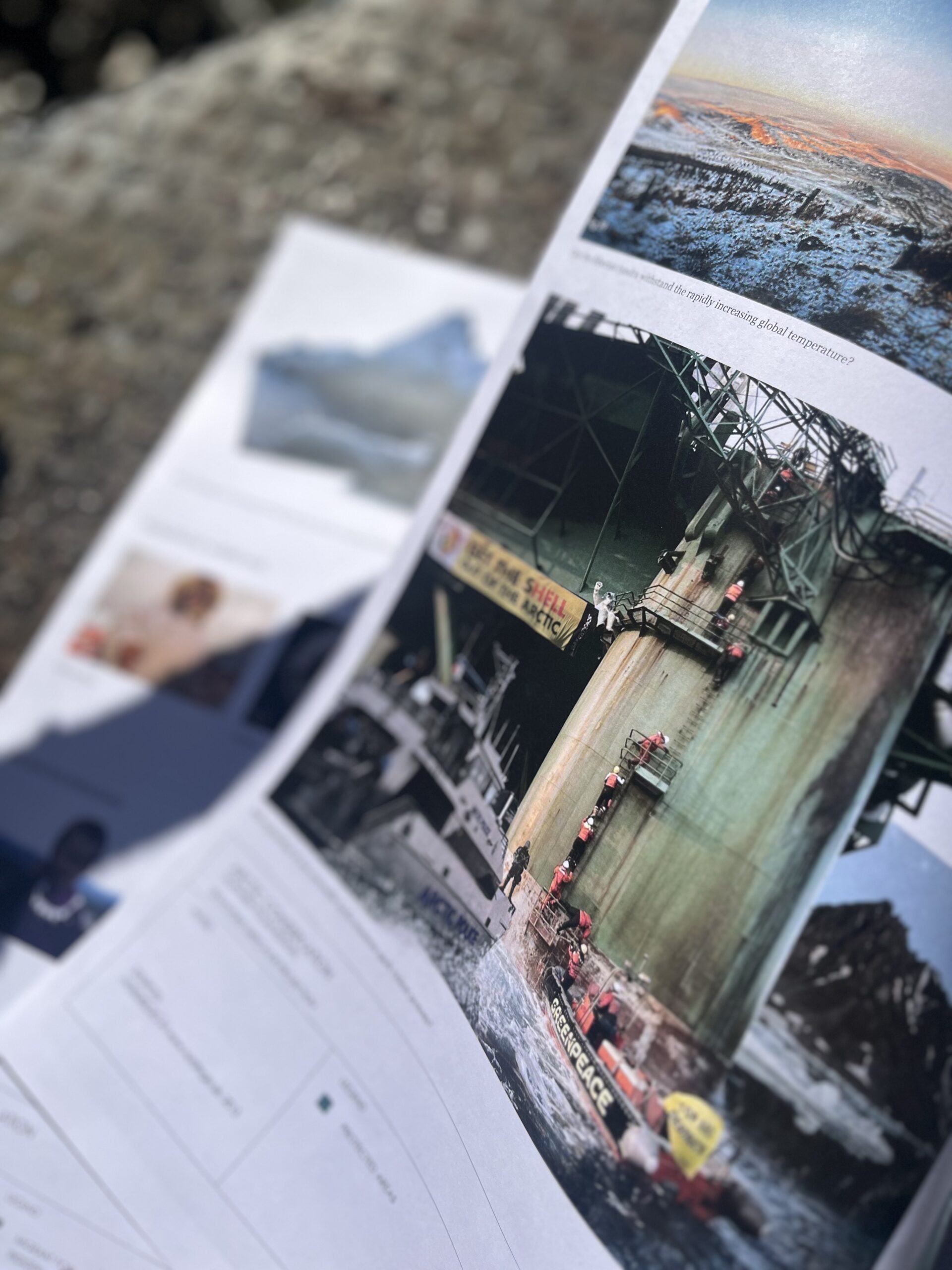
The design philosophy was shaped by speculative cartography: maps as provocations rather than static records. The atlas uses bold visualisations, layered infographics and striking illustrations to reframe how Scotland is perceived. Rather than repeating traditional cartographic conventions that place the nation at the edge of Europe, the atlas shifts perspective – emphasising connections across the North Atlantic, the Arctic, and beyond.
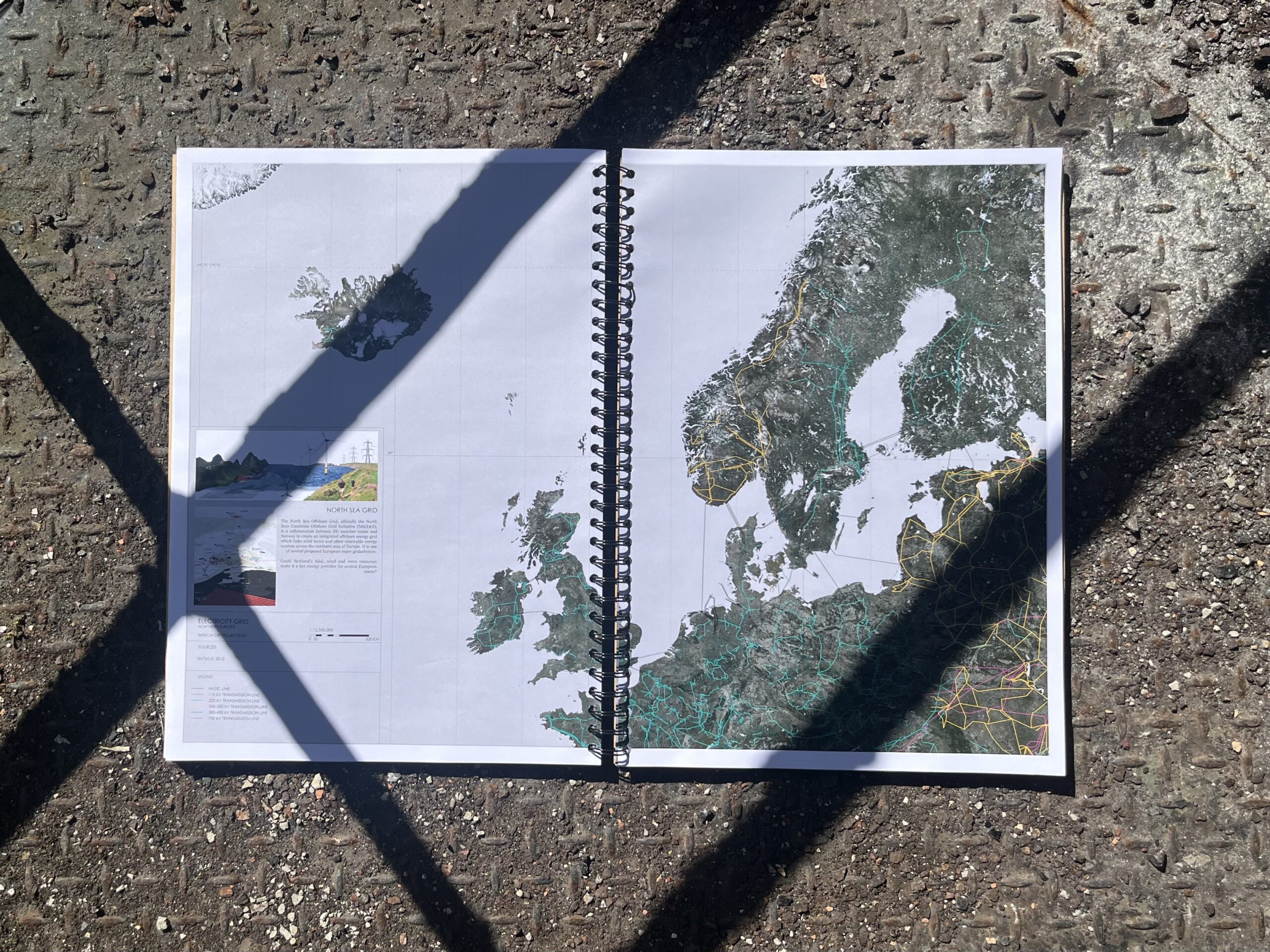
Each chapter explored a theme: energy futures, food systems, culture, population, and global connectivity. Colour, scale, and layering were carefully chosen so that the maps functioned as both analytical tools and narrative devices. The design was intentionally accessible, aiming to reach policymakers, communities and the general public with equal clarity.
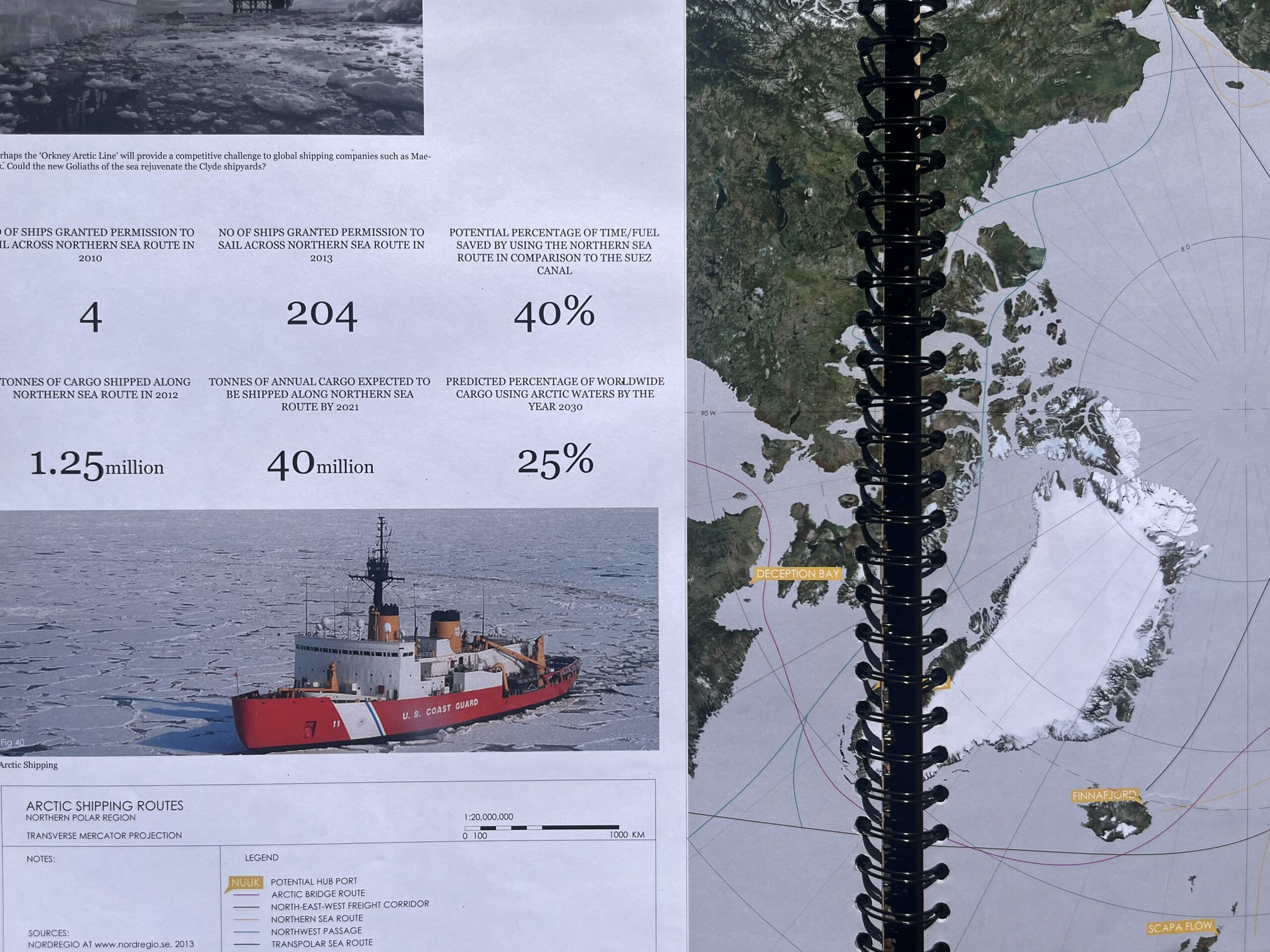
Launched in partnership with Common Weal, the atlas became a cultural intervention as much as a publication. It received national coverage, with commentators noting its role in reimagining Scotland’s identity on the world stage. Articles in The National, Bella Caledonia and other outlets praised its ability to make complex data engaging, while political and civic groups used its maps as prompts for debate about land, resources and Scotland’s future.
Like An Atlas of Productivity, the project was not simply about mapping what is, but imagining what could be. By situating Scotland at the heart of new global geographies and highlighting the opportunities of renewable energy, food sovereignty and cultural exchange, the atlas encouraged audiences to think ambitiously about the nation’s role in addressing planetary challenges.
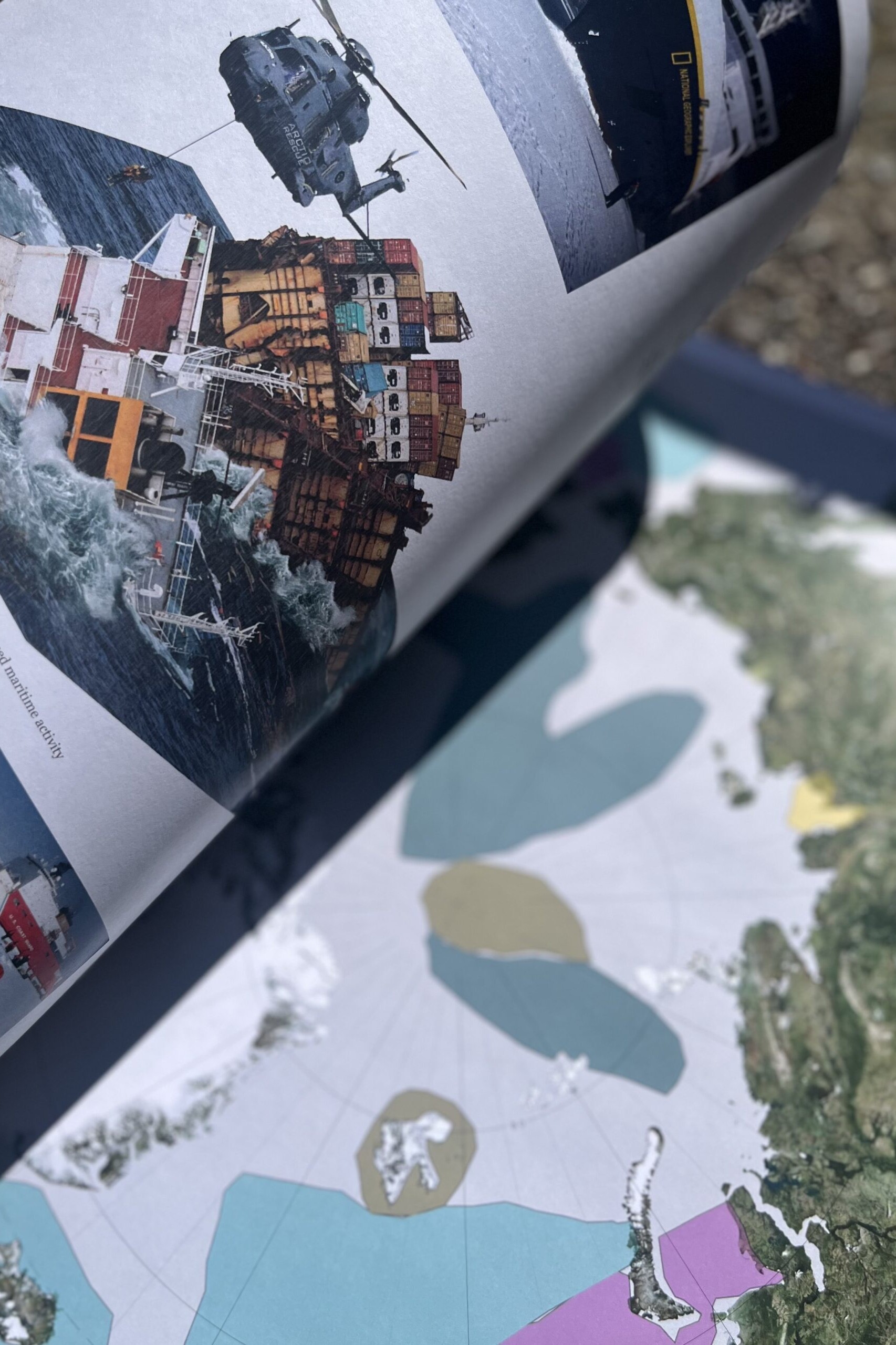
“The book is a joy to peruse, an object of beauty as well as a substantive and substantial addition to the literature of Scotland. It would grace any coffee table or bookshelf.”
Quote as part of review by Wee Ginger Dug


