
Halligarth House

Reimagining Scotland’s most northerly NTS site
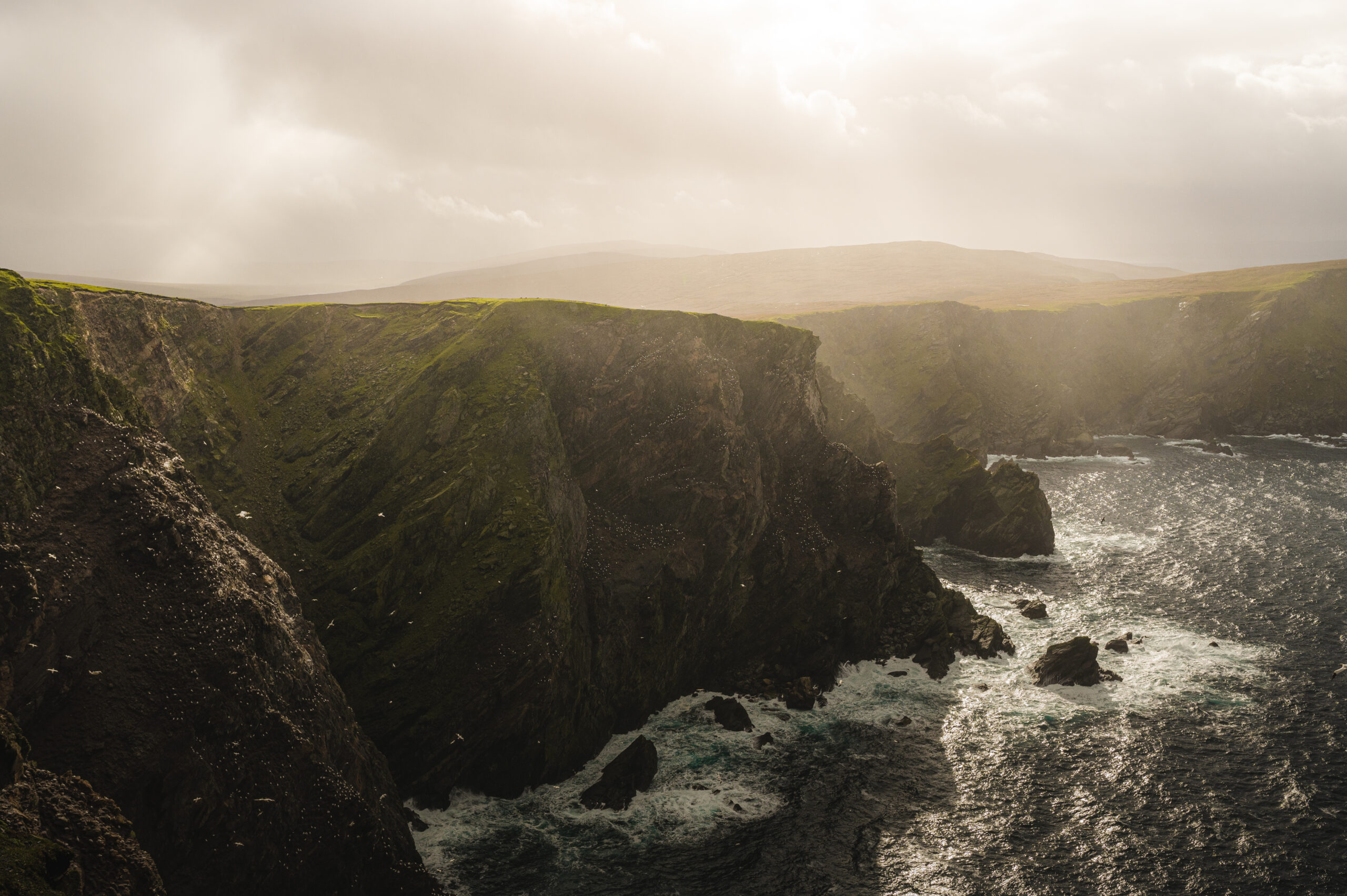
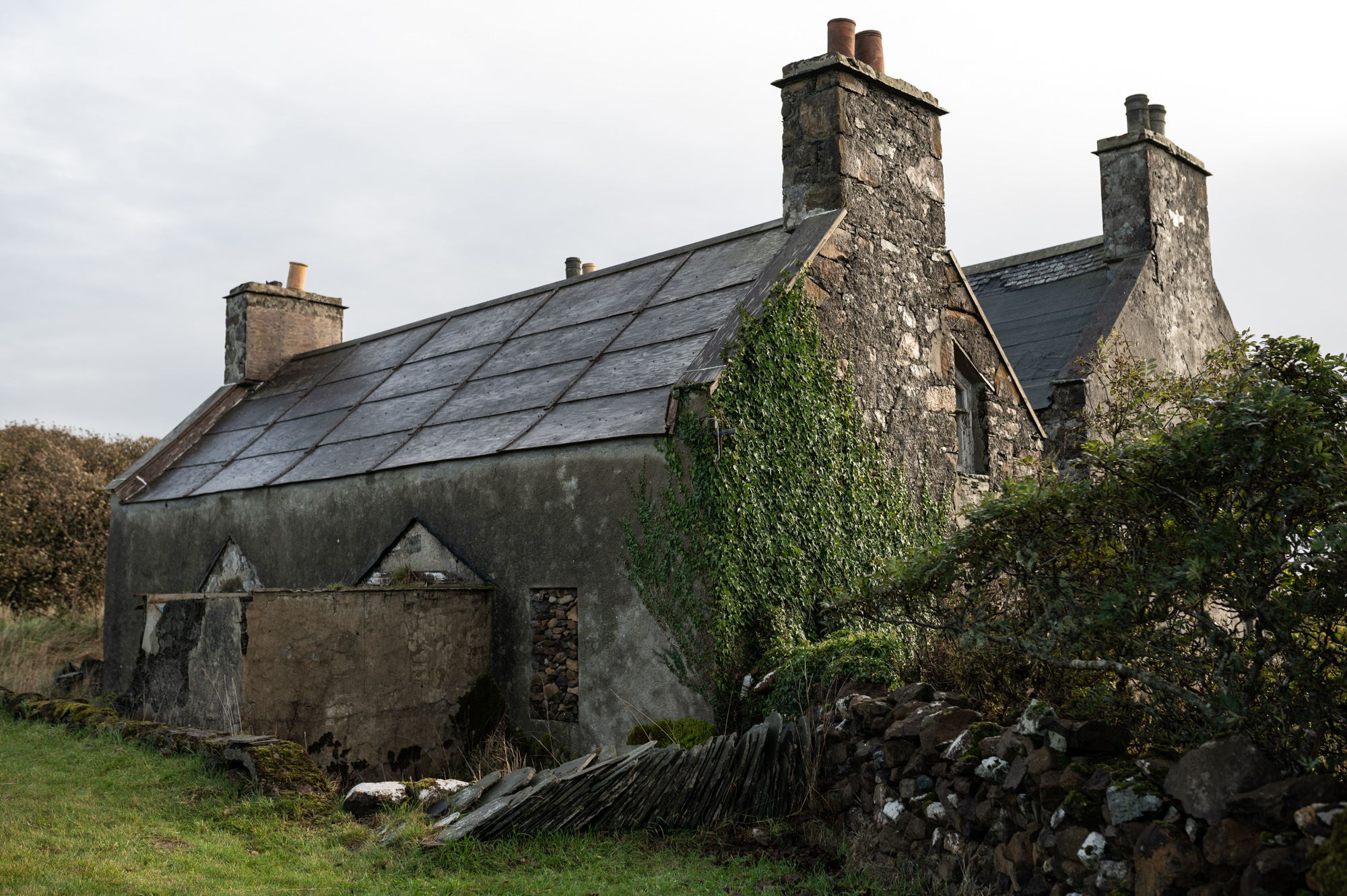
On the northern edge of Shetland, Halligarth House stands as a landmark of science, landscape, and community. Built in the 1830s, it became home to the Edmondston family and the birthplace of Thomas Edmondston, a brilliant young botanist who made significant contributions to the study of Shetland’s flora before his untimely death at the age of 20. The house, its grounds, and surrounding crofting landscapes embody a story of intellectual ambition, biodiversity, and island life.

By the 21st century, Halligarth was at risk. The National Trust for Scotland sought to preserve the house while opening its stories to a wider audience. We were commissioned to help gather research and community perspectives, building an understanding of how Halligarth could become not only a preserved heritage site but also a living platform for science, culture, and environmental awareness. Conversations with Unst residents, conservationists, and historians revealed a desire for the house to tell multiple stories: of botany and biodiversity, of Shetland’s global scientific connections, and of the everyday lives shaped by its land and sea.

Our design process focused on developing a comprehensive interpretation and digital strategy. The challenge was to weave Halligarth’s layered heritage into a clear and engaging visitor experience, while also creating access for those who might never reach Shetland.
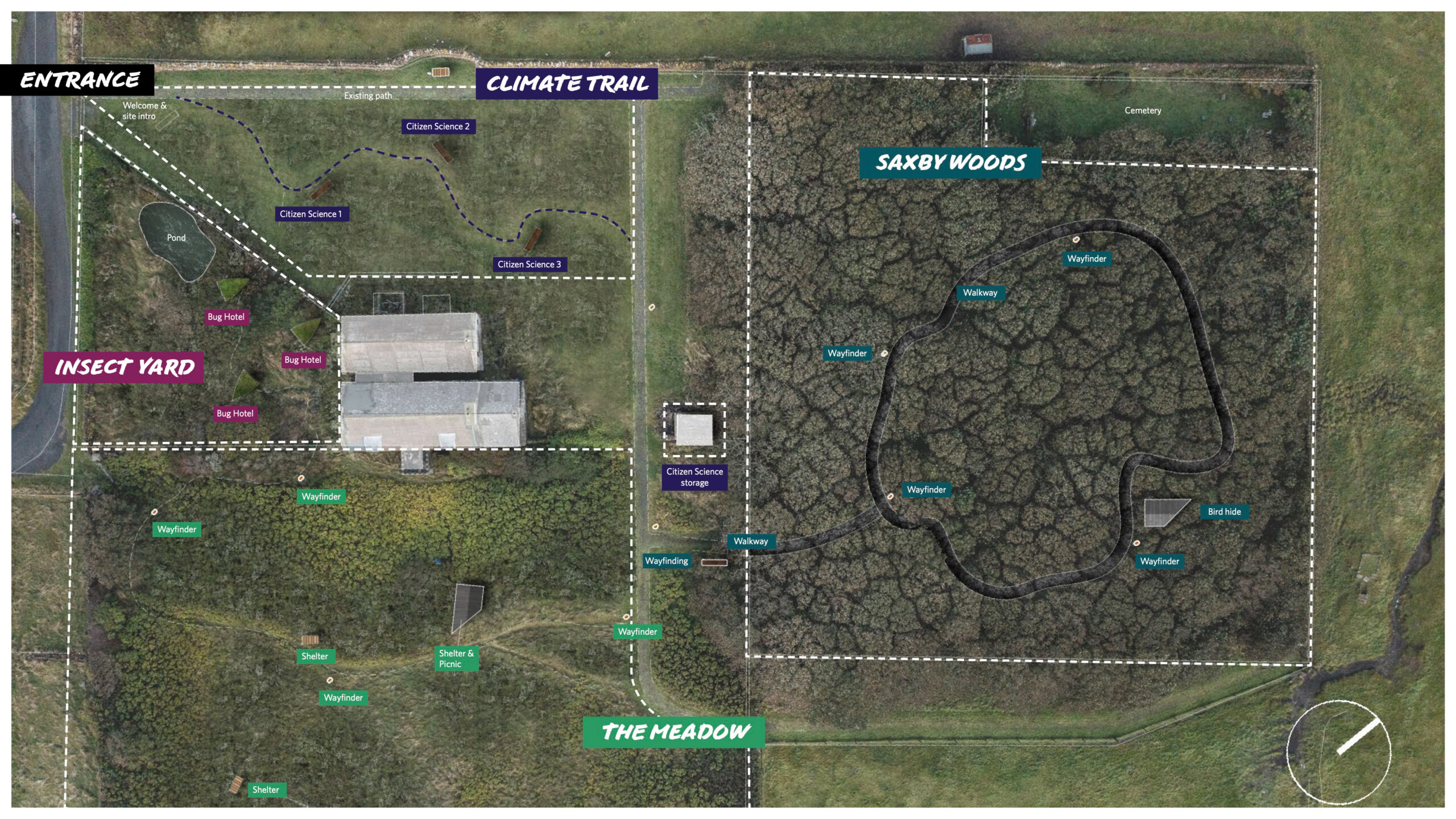
On-site interpretation was planned to be low-impact and sensitive, reflecting the house’s fragile condition and the surrounding crofting environment. We proposed thematic pathways through the grounds, interpretive panels highlighting Edmondston’s botanical legacy, and flexible exhibition content to be staged within the house as conservation allowed.
The digital strand was equally vital. We designed a framework for a virtual Halligarth, enabling online visitors to explore the house, grounds, and botanical collections remotely. This included proposals for multimedia storytelling, digital exhibitions, and interactive content linking Shetland’s heritage to global conversations around biodiversity, climate, and the environment.
The design language was calm, clear, and evocative — drawing from Shetland’s landscapes and botanical illustrations. It emphasised curiosity and discovery, encouraging visitors to see Halligarth not just as a relic of the past but as a site of ongoing relevance.

The final strategy set out a roadmap for Halligarth House to become both a heritage anchor and a platform for future learning. Immediate actions focused on stabilisation and community engagement, with medium-term goals for exhibitions and outdoor interpretation, and long-term ambitions for a fully integrated digital museum.
By reframing Halligarth as a place of ideas, science, and imagination, the project secured its role in Shetland’s cultural life and created opportunities for global audiences to connect with its story. The work ensures that Halligarth House is not just preserved, but continually re-interpreted — a site where heritage, nature, and design meet to inspire new generations.